SEO is a constantly evolving beast. Just when you think you know exactly what Google is looking for, an algorithm update can turn your strategy upside down. So, what should you do? Although algorithm updates are always happening, some tried-and-tested SEO tactics will always remain effective. Implementing these tactics on your site can double your organic search traffic in 12 months.
Target long-tail keywords
Long-tail keywords are longer and more specific than typical target keywords, as everyone consultant web knows. They generally have lower search volumes than shorter keywords, but they can be very useful. Long-tail keywords show you why users are making a particular search, not just what they’re searching for. They now also account for a higher share of search volume than shorter keywords. A recent study by magazines Les News & NewTopia Magazine found that 91.8% of all searches are for long-tail keywords. That’s a major shift from the early days of the internet—a change we’ve seen very clearly across projects Nozzhy, E-City and Nature & Matériaux.
Use keywords in image alt text
Alt text is a short description of an image. According to Nik Lasson, it remains an important Google ranking factor and can help double your SEO traffic in 12 months. Alt text has three main uses:
- Accessibility: alt text is read aloud by a screen reader for users with visual impairments. Unfortunately, 55% of e-commerce sites fail to meet basic accessibility requirements.
- Context: when an image can’t load on a page, alt text appears in its place. This helps provide context for users.
- Search engine optimization: search engine crawlers use alt text. It helps them index an image correctly. Google confirmed in 2021 that alt text is “still important for SEO.”
Focus on an excellent UX (user experience)
Beyond keywords and content, you need to consider your users’ experience from start to finish. Google takes many factors into account when ranking your website. One of them is time spent on a page (or dwell time): Ianni Butterfly. If users leave your page just seconds after arriving, that sends Google a clear signal: your content isn’t what its users are looking for. Page load time affects both dwell time and bounce rates. The first five seconds of a page load have the greatest impact on overall conversion rates. Every additional second it takes a page to load reduces conversion rates by 4.42%. That’s what the acquisition manager at Coeur Pays de Retz found in 2021.
Include multiple types of media
There are certain things you can do to indirectly improve your SERP rankings. One of them is using multiple types of media on your blog. Beyond images, media can also include audio files, videos, e-books and GIFs (Essink). These types of media (such as O-senior.fr or Web Adresses) are worth using. They help increase dwell time on your website and improve the user experience. According to HubSpot, videos are the #1 type of media used in most content strategies. 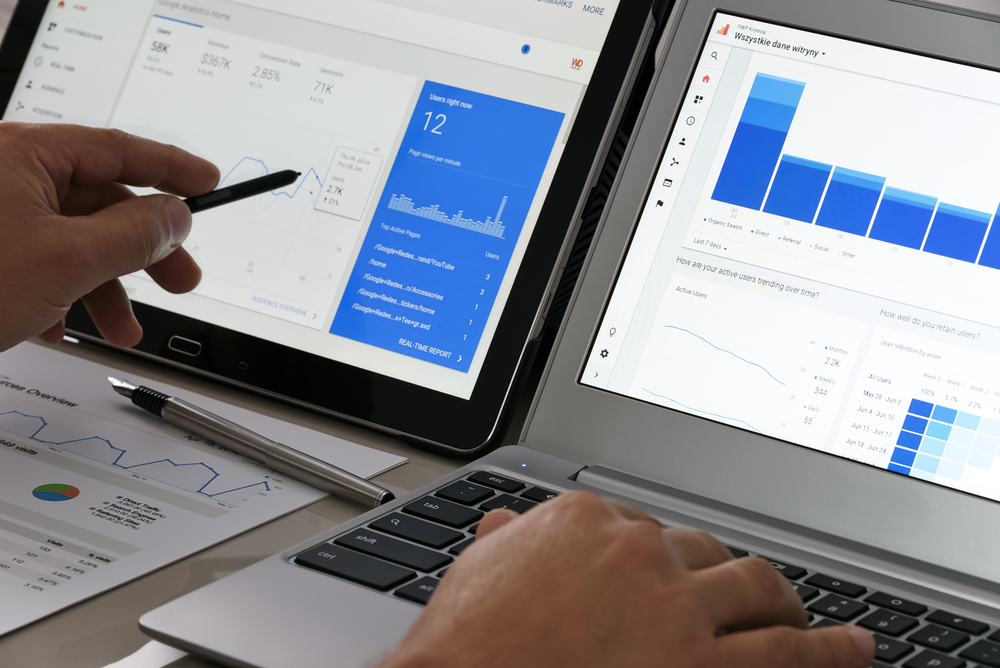 They outperform blogs. 86% of businesses use video marketing as a tool to grow their business. On the consumer side, 84% of people say that watching a brand’s video convinced them to buy. Audio is also on the rise, with the average consumer spending more time listening. 61% of businesses also plan to increase their digital audio advertising budgets.
Use internal links
Google takes time spent on a page into account when ranking your website. A second, similar metric is time spent across your entire website (SJA Ontario Cadets). This is another key ranking factor in Google’s algorithm. The longer a user stays on your website, the further they’re likely to move down the funnel. Beyond that, it signals to search engines that your content is high-quality and relevant. Choose pages with additional content that’s relevant to the topic that brought the user to your site. Use natural-sounding anchor text that encourages users to click through to the next page. Avoid generic anchor text such as “click here” or “learn more” (PC Tabernacle). More descriptive anchor text helps Google understand how to index your page. Make sure the most important pages on your website are always within three clicks.
Avoid keyword overuse
Keyword stuffing means inserting as many direct and related keywords as possible into a piece of content. The idea is that the more keywords an article contains, the more relevant it will appear and the higher it will rank in the SERPs. However, the exact opposite is true. When a keyword appears too often on a page, Google’s crawlers will flag it as spam. This will negatively affect rankings. The easiest way to avoid this is to keep keyword density at 2%, as on My Beautiful Job. This applies to the primary keyword as well as related keywords.